Producing your own electricity is no longer only about cutting the cord. In Quebec, as in several other provinces, you can now sell your production back and have part of your installation funded. Here is what Hydro-Québec's self-generation programme offers and, above all, the order in which the steps have to be taken.
Selling the energy you produce
Several provinces run programmes that buy back the electricity you produce. The principle is simple: your meter measures what you draw and what you feed in, and only the difference is billed to you.
Since 31 March 2026, Hydro-Québec has also offered a grant of $1,000 per kW/hour, up to 40% of the cost of your project. The amounts and the conditions are those published by Hydro-Québec and can change: check the Net metering (option I) page before settling on a budget.
The steps to follow in Quebec
If you intend to connect to the Hydro-Québec grid, do not buy your equipment before you have their permission. This is the mistake that costs the most: equipment bought before approval can simply be refused.
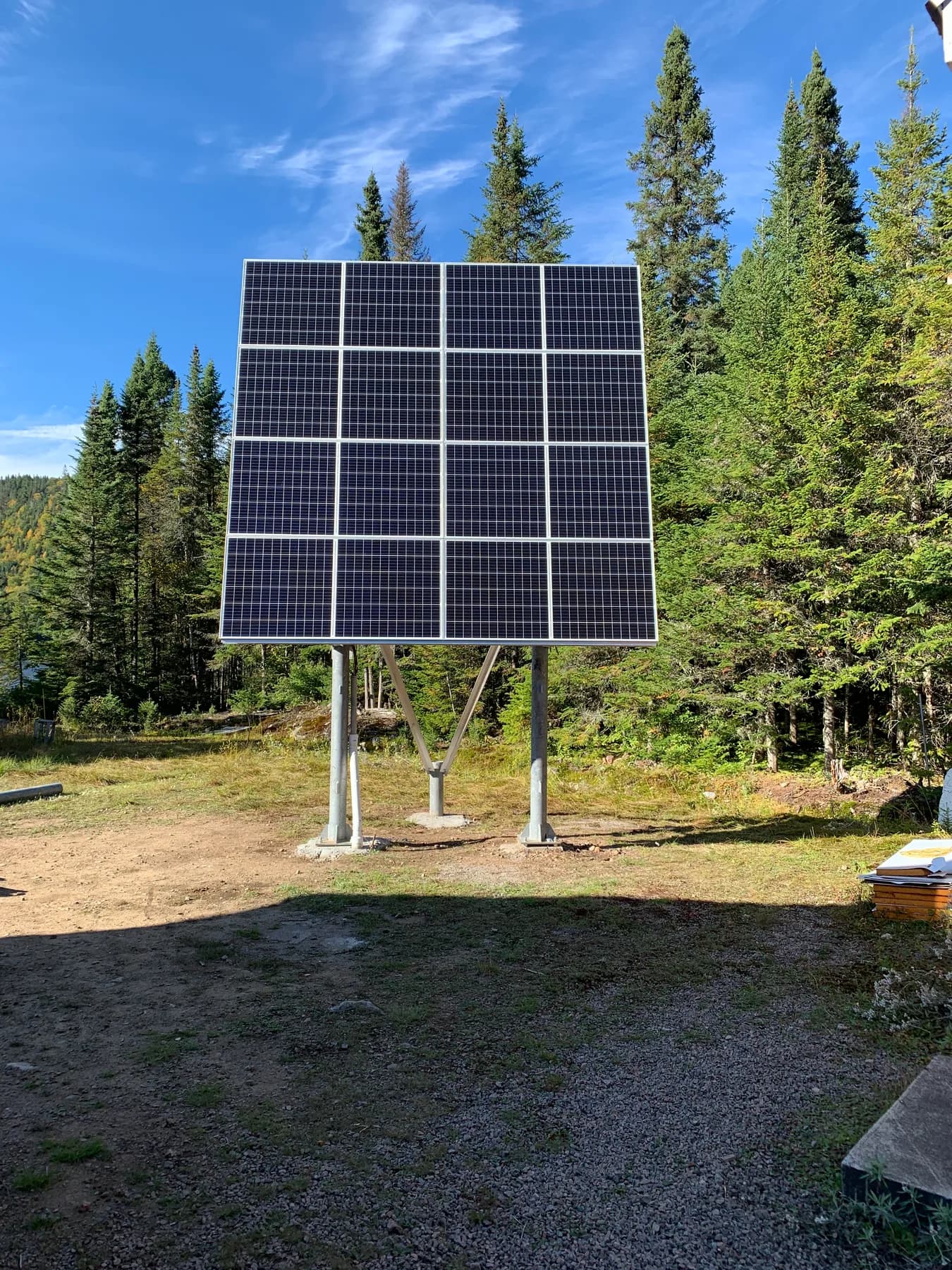
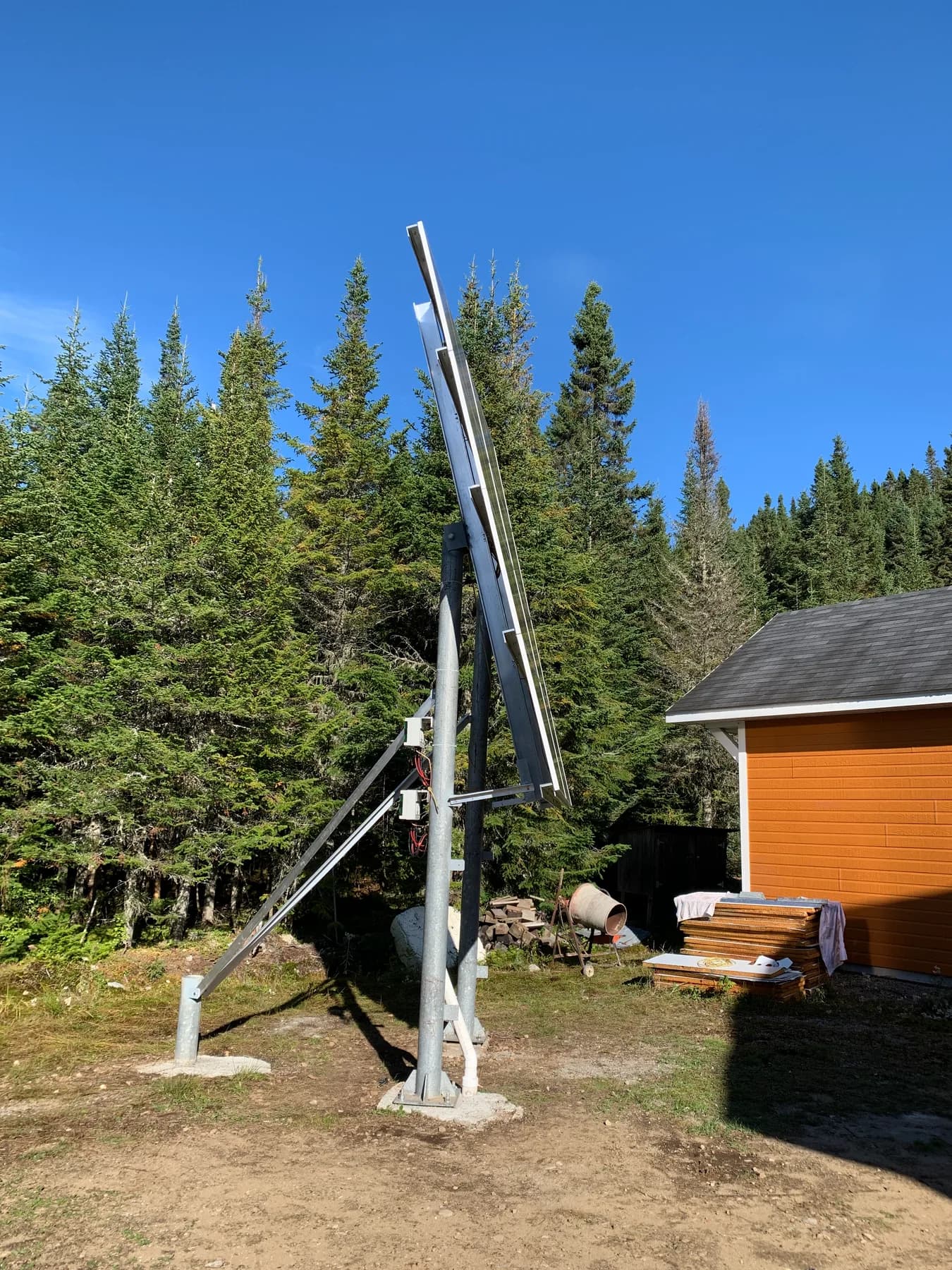
- Design the project. The number of solar panels, the inverter rating that follows from it, and where the modules will sit. A plan and specification of the equipment, meeting the requirements and accepted by Hydro-Québec, must be submitted by an electrical engineer or a licensed electrician.
- File the connection request. You must be the owner to submit a request. Once the plan and specification are complete, the engineer or the electrician sends your connection request to Hydro-Québec for approval.
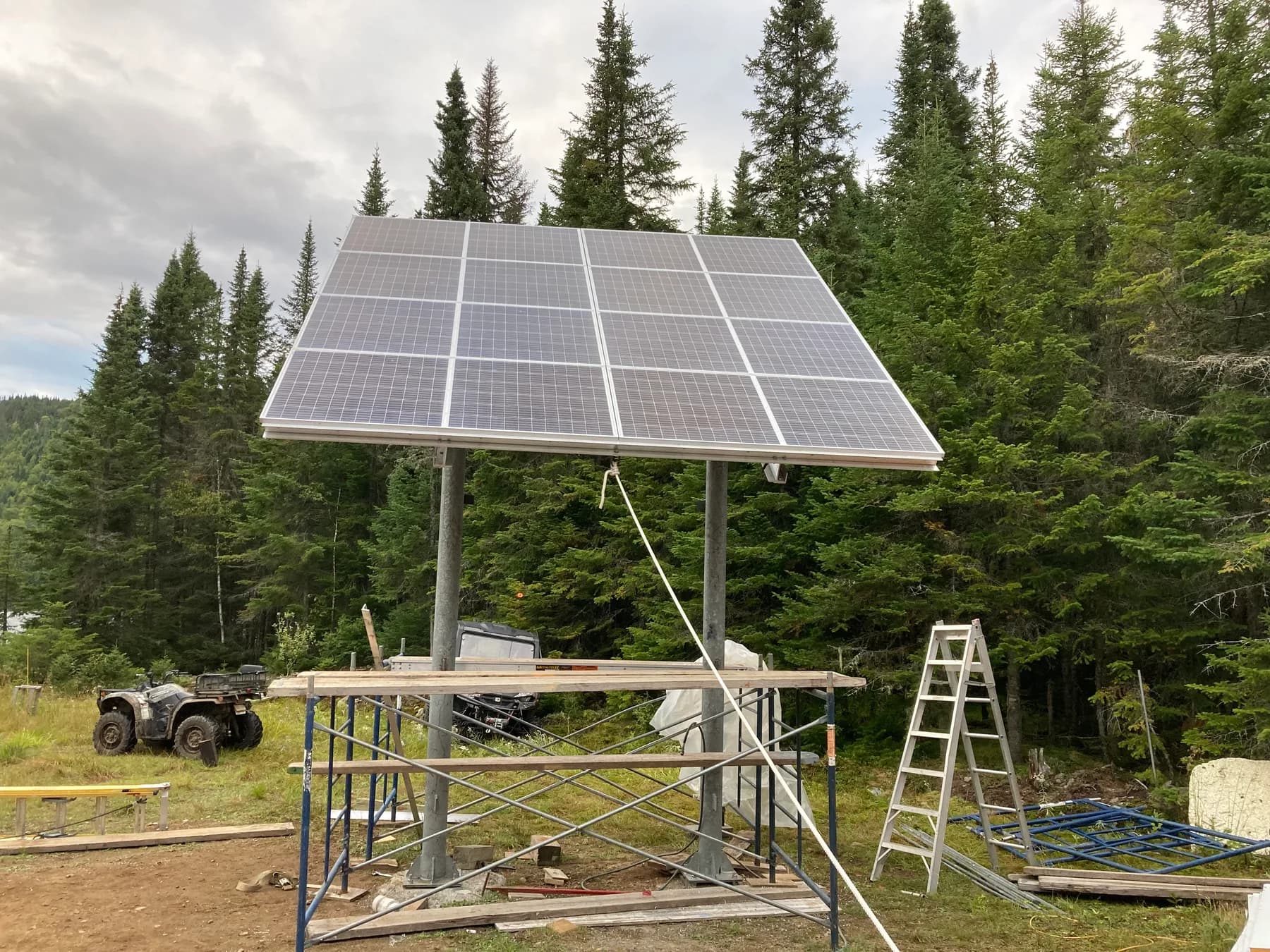
- Buy and install. Once the approval is in hand, you can buy your equipment and proceed with the installation.
- Have the installation verified. When the work is done, the electrician comes back to run a full series of tests and submits the results to Hydro-Québec for final approval.
- Apply for the grant. When your final approval arrives, you can apply for the grant through LogisVert, residential customers.
An inverter ready for the grid
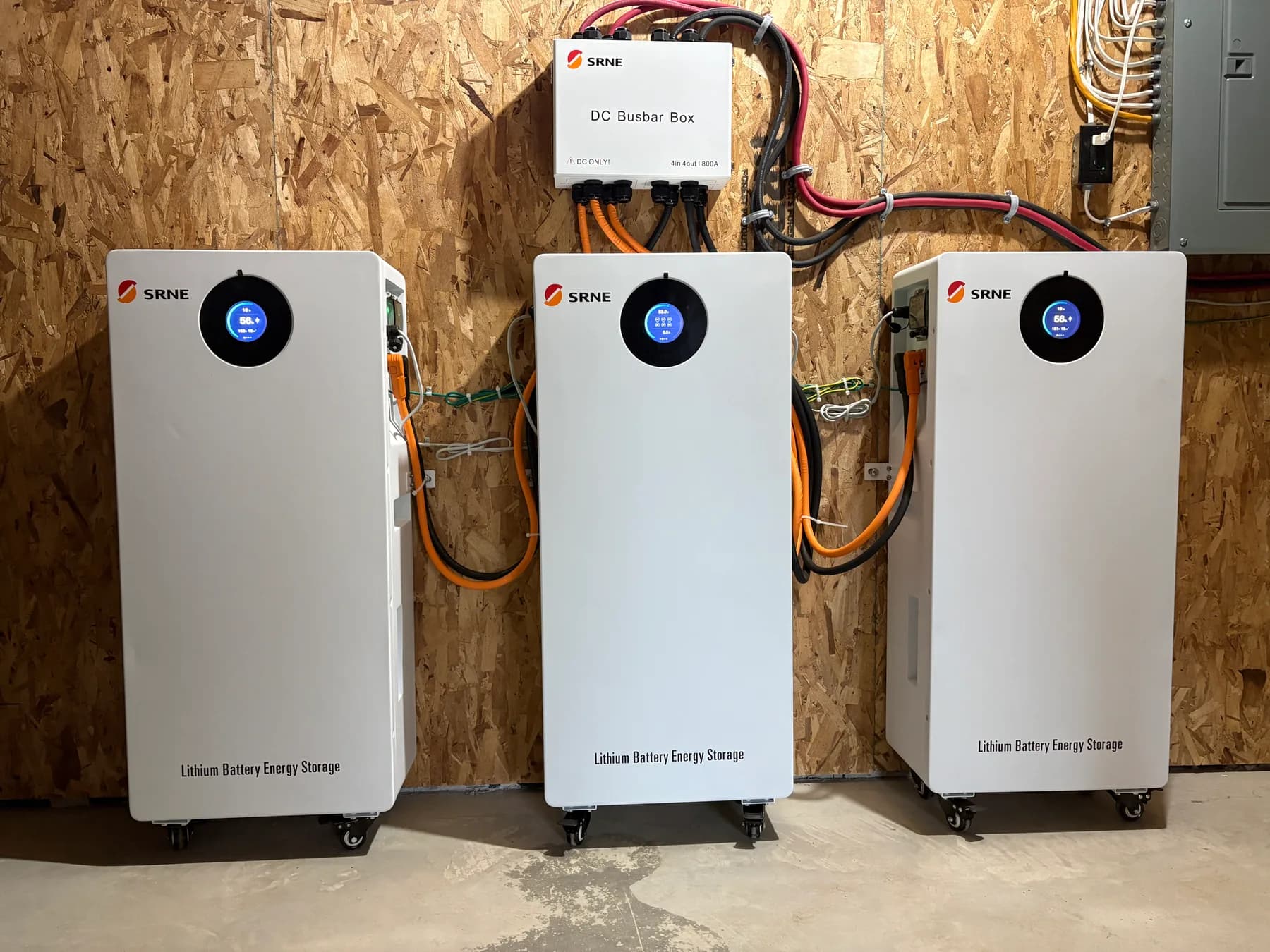
Connecting to the grid places its own demands on the inverter: it has to disconnect correctly during an outage and hold the voltage and frequency profiles that are asked of it. The models built for this carry the UL 1741:2021 Ed. 3 (supplement SB) certification, like the SRNE HESP and HEBP series in our catalogue, available from 8 to 12 kW at 120/240V.
Choosing the inverter before the plan and specification exist is premature: the number of panels you settle on is what sets its rating. See the hybrid inverters.
We can help you with all of it
From designing the project to filing the grant application, we can walk you through every one of these steps: sizing, equipment selection, the documents to supply and the coordination with your electrician.
Request a quote or write to us: we will tell you plainly what your roof or your land can produce, and what connecting to the grid involves in your case.