LiFePO4 or lead-acid: the comparison in numbers
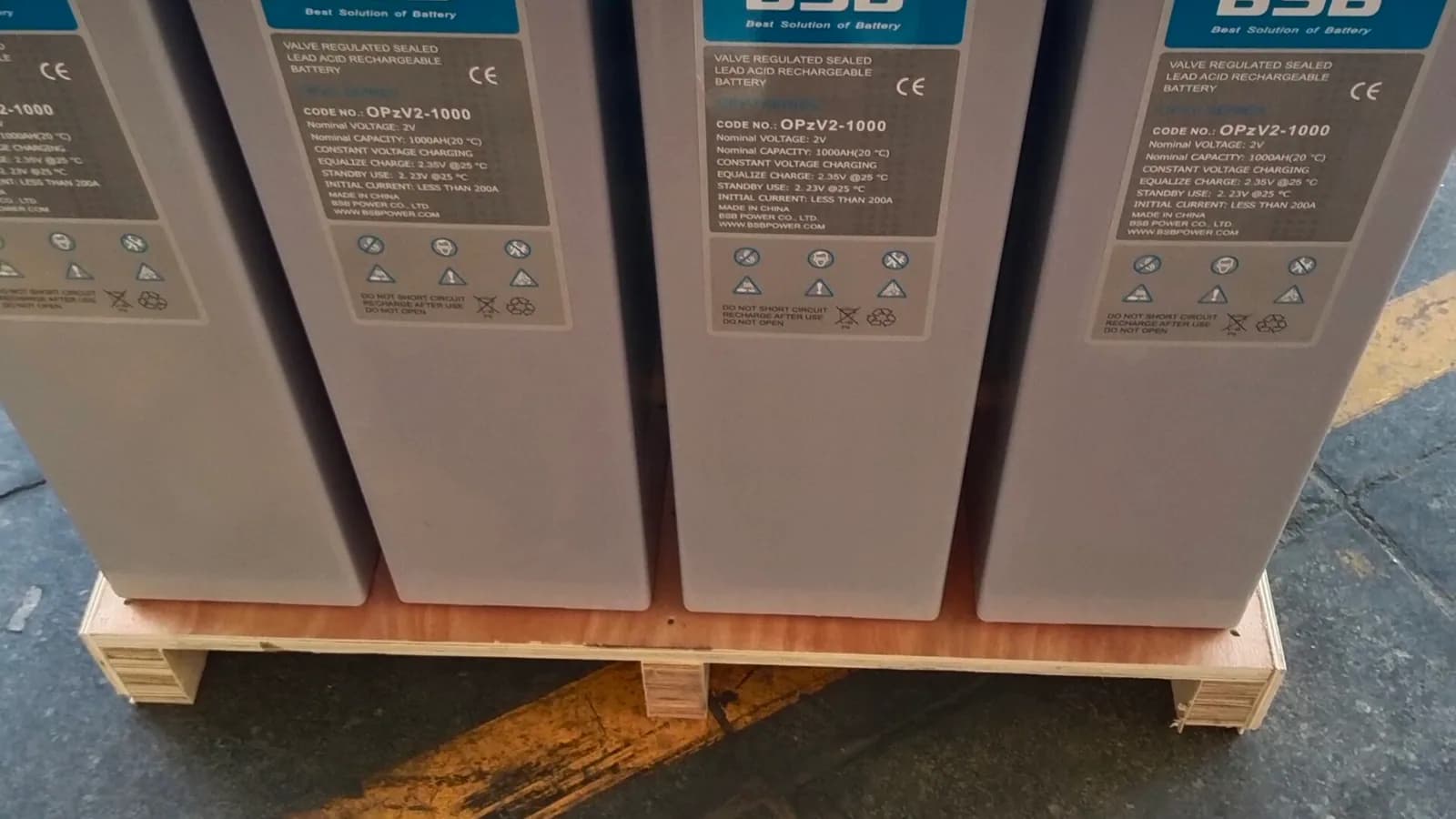
Comparing sticker prices is misleading. A 100 Ah deep-cycle lead-acid battery costs about $350 and an equivalent LiFePO4 about $1,300. But the lead-acid battery must never go below 50% of discharge without dramatically shortening its life, so it really offers 50 Ah of usable capacity. The LiFePO4 offers 95.
Then add service life. A well-maintained lead bank lasts 500 to 800 cycles at 50% of discharge. A LiFePO4 lasts 4,000 to 7,000 cycles at 80%. Brought back to the kilowatt-hour actually delivered over the life of the battery, lithium works out at about $0.15/kWh against $0.45/kWh for lead.
Cold widens the gap further. At -10 °C, a lead-acid battery loses close to 40% of its usable capacity. A LiFePO4 loses 10 to 15% on discharge, and models with internal heating will even accept a charge in deep cold, which lead never does properly.
Lead keeps two real advantages: a lower entry cost, which matters when the initial budget is genuinely tight, and a tolerance for charging mistakes that lithium does not have. A badly set charger forgives more on lead. But those advantages fade as soon as the system is cycled daily.
Our recommendation is simple: under 1 kWh of storage and for occasional use, lead is still defensible. Beyond that, and above all for a building lived in year-round, LiFePO4 is the only choice we still install.